Meet your Clinical Supervisors
The relationship with your clinical supervisor is an important part of your growth as a therapist. Each of PSC’s supervisors brings their own clinical experience, perspective, and approach to supporting associates.
Explore their introductions below to learn how they think about supervision, what they enjoy helping associates develop, and what it might be like to work together.
Explore the Supervisors

Alisa Karmel, PsyD, LPC
My approach to supervision
I aim to create a warm, collaborative space where you can be curious, ask hard questions, make mistakes, and grow into a clinician who trusts their judgment. My approach is relational, feminist, fat-affirming, weight-inclusive, and trauma-informed, with attention to identity, power, and culture. Clinically, I draw from relational, insight-oriented, CBT, DBT, and self-compassion approaches. My work focuses on body image and eating concerns, weight stigma, shame and self-worth, and experiences with healthcare and health behavior change. Group psychotherapy is especially important to me, and I enjoy helping clinicians find their footing as group therapists. I’ll encourage you to explore what kind of career feels meaningful to you, including possibilities beyond individual therapy.
What we might explore together
Identity, power, and culture in the therapy room
Group therapy skills and confidence
Boundaries, burnout, and ethical gray areas
Career paths such as groups, teaching, and program development
View my provider profile →
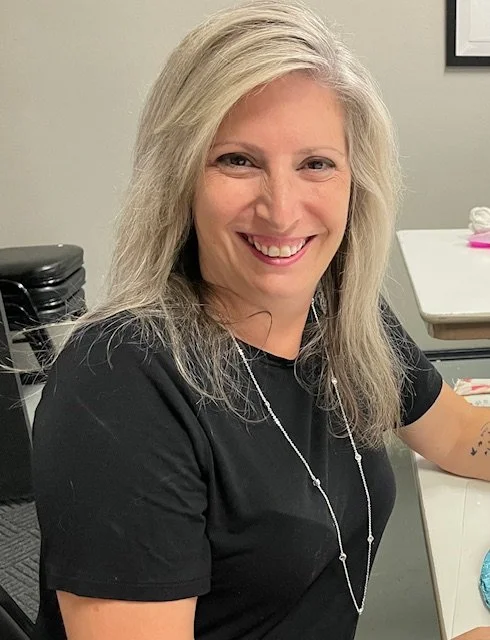
Camille Alenduff, LCSW, CADC I

Karen Dimalanta, PhD
My approach to supervision
I bring more than 20 years of experience supervising doctoral- and master’s-level clinicians, including roles supporting other supervisors. My approach is collaborative, developmental, and transparent. I want you to feel comfortable bringing complex cases and uncertainty to supervision, knowing we can think them through together. I practice as a generalist, with particular experience in trauma, depression, and anxiety. My work draws from CBT, ACT, trauma-responsive, and somatic approaches, and I am committed to culturally responsive, inclusive care. In supervision, I’ll support you in developing sound clinical judgment and your own therapeutic voice. You should leave with greater confidence in how you practice, along with a professional identity that feels sustainable.
What we might explore together
Case conceptualization and ethical decision-making
Documentation and professional boundaries
Imposter syndrome and the emotional demands of clinical work
Developing autonomy and a therapeutic voice
View my provider profile →
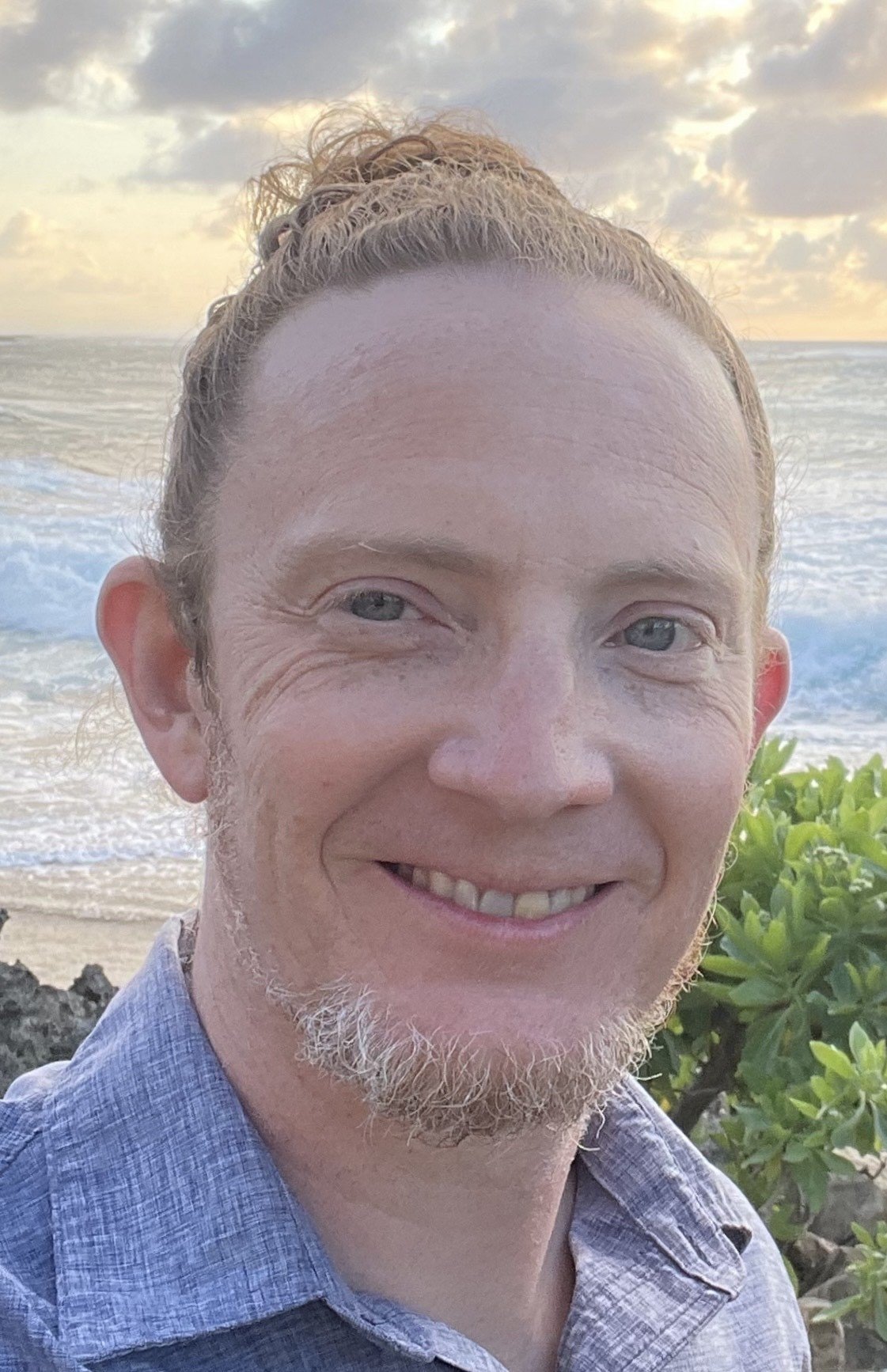
Matt Lauzon, LCSW, CADC I
My approach to supervision
I work to make supervision open, collaborative, and grounded in mutual respect. We’ll build clinical skills while also making room to reflect on the self of the therapist, with a clear boundary between supervision and personal therapy. I’ve worked in the field for 29 years and supervised clinicians for more than eight years. My clinical approach draws from ACT, DBT, CBT, motivational interviewing, sand tray, attachment and family-of-origin work, and attention to lifestyle goals. I review notes and come prepared with resources—such as articles, books, or video clips—when they can help us think something through. I want to recognize what you already do well while supporting you to stretch, try new skills, and develop confidence in your own approach.
What we might explore together
Confidence and the self of the therapist
Transference, countertransference, and boundaries
Documentation, caseload management, and work-life balance
Building on strengths while practicing new skills
View my provider profile →

Tressa Ernst LCSW
My approach to supervision
I consider it an honor to support associates on their path toward licensure. My style is warm and collaborative, with room for questions, different perspectives, and honest reflection. I want supervision to help you strengthen your clinical skills, critical thinking, and ability to work through challenges with confidence. I work with adolescents and adults, primarily using EMDR, DBT, and CBT. My clinical interests include trauma treatment, the mental health effects of chronic physical pain, and group therapy. Having worked in a variety of settings, I also enjoy helping clinicians learn about community resources and think about the support available beyond the therapy room. Throughout our work together, I’ll encourage you to care for yourself as well as your clients.
What we might explore together
Clinical problem-solving and critical thinking
Trauma treatment and chronic pain
Community resources and coordinated support
Burnout prevention and professional sustainability
View my provider profile →